Watercolor Rainbows Tumbler Wrap Design Review
A Splash of Color for Custom Embroidery Projects
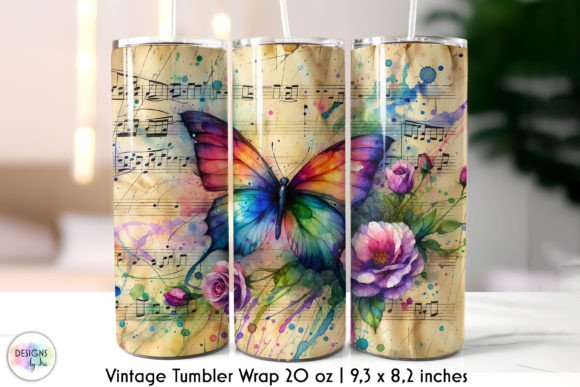
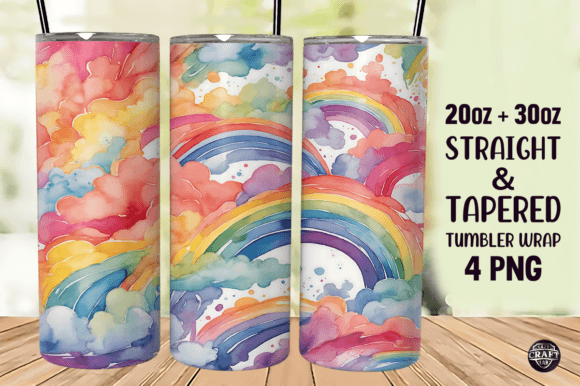
When I first saw the Watercolor Rainbows Tumbler Wrap Design, I was immediately drawn to its soft, dreamy aesthetic. The gentle gradient transitions and flowing lines give off a sense of calm and creativity, making it ideal for projects that need a touch of whimsy without being too overwhelming.
This design feels like it belongs in a cozy home or boutique shop. It's not too busy, so it won’t compete with other elements on a garment or accessory. The layout is balanced, with the rainbow stretching across the tumbler wrap area in a way that feels natural and intentional.
How It Performs in Real Embroidery Situations
If you're considering using this design for custom apparel, like a tote bag or sweatshirt, the Watercolor Rainbows Tumbler Wrap Design can add a fresh, artistic flair. I imagine it would look especially nice on a light-colored fabric, where the colors can really pop. For a baby item, such as a onesie or blanket, the softness of the design would complement the innocence and charm of the product.
On a patch or apron, the design’s flow would make it feel more like a piece of art than just an embroidered graphic. It could even be used on a pillow cover or kitchen towel to bring a splash of color into a home decor setting. For holiday gifts, this design has a universal appeal that works well for both kids and adults.
The versatility of the Watercolor Rainbows Tumbler Wrap Design makes it suitable for a wide range of embroidery projects, from personal use to commercial applications. Whether you're a small shop owner looking to expand your product line or an Etsy seller aiming to stand out, this design could be a valuable addition to your portfolio.
Where to Use with Caution
While the Watercolor Rainbows Tumbler Wrap Design is visually appealing, there are some situations where it might not perform as well. For instance, if you're working with small hoop sizes, the details might get lost or distorted. Similarly, on textured fabrics or thin materials, the design may not stitch as cleanly, requiring extra attention to stabilizer use and thread selection.
Stretchy fabrics can also be tricky, as the design's curves might pull or shift during stitching. Dark fabric backgrounds may not provide enough contrast for the watercolor effect to shine through clearly. When working on curved surfaces like caps or hats, it's important to test how the design translates onto these forms, as the curvature can affect the final appearance.
For products that need frequent washing, consider the durability of the embroidery and whether the design will hold up over time. Testing the design on scrap fabric before committing to a finished product is always a good idea, especially when dealing with intricate details or delicate areas.
Design Notes for Embroidery Professionals
If you're planning to use the Watercolor Rainbows Tumbler Wrap Design in your embroidery work, take a few moments to review the file thoroughly. Check the stitch density and ensure that the design isn't too dense for the fabric you're using. A high stitch density might cause puckering or stiffness, especially on lighter-weight materials.
Testing the design in black and white mockups can help you see how the contrast and detail will translate once stitched. This is particularly useful when working with dark fabrics. Also, don’t forget to check the thread color contrast—some shades might not show up as clearly as expected.
Before using the design for commercial purposes, confirm the licensing terms to ensure that you're allowed to sell any finished items or digital products that include this design. Always use proper stabilizer and follow best practices for your machine embroidery setup to achieve the best results.
Whether you're creating handmade products for your own use or selling them online, the Watercolor Rainbows Tumbler Wrap Design offers a unique and beautiful option that can elevate your embroidery projects. Just be sure to approach it with the right tools, techniques, and considerations to make the most of its visual potential.